UNISA Distance Learning vs Contact Universities in South Africa
Introduction: Choosing Your University Path
Deciding where and how to pursue higher education is a significant choice for many South African students. As you look towards 2027 applications, understanding the different study options available is crucial. This guide provides a detailed comparison between UNISA, a prominent distance learning institution, and traditional contact universities. We will explore their unique models, benefits, and challenges to help you make an informed decision about which path is right for your academic journey.
Understanding UNISA's Distance Learning Model
The University of South Africa (UNISA) operates as a dedicated distance learning institution, meaning most of its students study remotely without daily campus attendance. This model offers a unique approach to education that differs significantly from the conventional university experience.
How UNISA Works
At UNISA, learning is primarily self-directed. Students receive study materials, often online, and are responsible for managing their own study schedules. While there are online platforms for interaction and resources, physical attendance is generally limited to examinations, practical sessions for certain courses, or occasional study group meetings. This allows students to study from anywhere, often fitting their education around existing commitments like work or family responsibilities.
Key Features of UNISA
- Flexibility: Students can often choose when and where they study, making it ideal for those with full-time jobs or other commitments.
- Accessibility: UNISA reaches students across South Africa and beyond, offering educational opportunities to those who might not be able to attend a physical campus.
- Affordability: Generally, UNISA tuition fees can be lower than those of contact universities, and students save on accommodation, transport, and daily campus living expenses.
- Self-Paced Learning: While deadlines exist for assignments and exams, the day-to-day study pace is largely determined by the individual student.
Exploring Contact Universities
Contact universities, also known as traditional or residential universities, provide an education model centred around physical campus attendance and direct interaction.
The Traditional Campus Experience
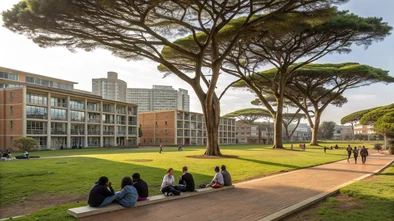
At a contact university, students attend daily lectures, tutorials, and practical sessions on campus. These institutions boast extensive facilities such as libraries, laboratories, sports centres, and student residences. The learning environment is highly structured, with a fixed timetable and direct, in-person access to lecturers and fellow students. This traditional model fosters a vibrant campus life and a strong sense of community.
Benefits of Contact Learning
- Structured Environment: Regular lectures and a fixed timetable provide a clear routine, which can benefit students who thrive with external motivation and deadlines.
- Direct Interaction: Students have immediate opportunities to ask questions, engage in discussions with lecturers, and receive instant feedback.
- Social Development: Campus life offers numerous opportunities for networking, making friends, participating in clubs and societies, and developing social skills.
- Comprehensive Support: Contact universities typically offer extensive on-campus support services, including academic counselling, career guidance, health services, and various student support programmes.
Comparing UNISA and Contact Universities: Pros and Cons for 2027 Applicants
When considering your options for 2027, it's essential to weigh the specific advantages and disadvantages of each model against your personal circumstances and learning style.
Flexibility vs. Structure
UNISA excels in flexibility, making it an excellent choice for individuals who need to balance studies with work, family, or other commitments. You can often study at your own pace and location. However, this demands high levels of self-motivation. Contact universities offer a more structured learning environment with daily lectures and fixed schedules, which can be beneficial for students who prefer routine and external motivation.
Self-Discipline Requirements
Studying through UNISA requires strong self-discipline, excellent time management skills, and the ability to motivate oneself consistently. There are fewer external structures to keep you on track. In contrast, contact universities provide a more controlled environment with regular attendance requirements and immediate deadlines, which can help students stay focused and disciplined.
Support Systems
UNISA offers support through online platforms, study guides, and discussion forums, and sometimes through regional learning centres. However, direct, face-to-face interaction with lecturers and peers is less frequent. Contact universities provide extensive on-campus support, including direct access to lecturers, tutors, academic advisors, and a wide range of student services, fostering a more hands-on support system.
Career Outcomes and Accreditation Recognition
Both UNISA and contact universities in South Africa are accredited institutions, meaning their qualifications are formally recognised by employers and other educational bodies. A degree from UNISA is equally valid and respected. The key difference in career outcomes often lies in the skills developed during study. Distance learning can foster independence and problem-solving, while contact learning might offer more direct networking opportunities. Ultimately, a qualification from either institution can lead to successful career paths, with employers valuing the skills and knowledge gained, regardless of the study method.
Cost Considerations
UNISA often presents a more affordable option financially, primarily due to lower tuition fees and the elimination of expenses such as campus accommodation, daily transport, and on-campus meals. This can significantly reduce the overall cost of higher education. Contact universities, while providing a richer on-campus experience, typically come with higher tuition fees, and students must budget for accommodation, transport, and other living expenses associated with campus life.
Is Distance Learning Right for You? Making an Informed Decision
Choosing between UNISA and a contact university depends greatly on your individual needs, personality, and life circumstances. There is no universally